Delving into Best Corporate Travel Booking Sites: Comparing Self-Booking Tools (SBTs) for Mid-Market, this introduction immerses readers in a unique and compelling narrative, with a casual formal language style that is both engaging and thought-provoking from the very first sentence.
Exploring the concept of corporate travel booking sites and how self-booking tools cater to mid-market companies is crucial for understanding the dynamics of modern business travel management.
Overview of Corporate Travel Booking Sites
Corporate travel booking sites are online platforms that cater to businesses looking to efficiently book travel arrangements for their employees. These sites offer a range of services, including booking flights, hotels, rental cars, and other travel-related amenities to streamline the process for corporate clients.
Target Audience
Corporate travel booking sites primarily target businesses of all sizes that require regular travel arrangements for their employees. This includes mid-market companies looking to manage their travel expenses effectively while ensuring a seamless booking process for their employees.
Importance of Efficient Travel Booking for Businesses
Efficient travel booking is crucial for businesses to save time and money, as well as ensure the comfort and convenience of their employees during business trips. By utilizing corporate travel booking sites, companies can access competitive rates, manage travel policies, and track expenses more effectively, ultimately leading to a more streamlined and cost-efficient travel management process.
Self-Booking Tools (SBTs) for Mid-Market
Self-booking tools, also known as SBTs, are online platforms or software that allow employees of a company to book their business travel arrangements independently without the need for a travel agent or dedicated booking team. These tools are specifically designed to streamline the booking process and provide a user-friendly interface for employees to make their travel arrangements efficiently.
Benefits of Using Self-Booking Tools for Mid-Market Companies
Self-booking tools offer several advantages for mid-market companies looking to manage their corporate travel effectively. Some of the key benefits include:
- Cost Savings: By eliminating the need for a dedicated travel agent or booking team, mid-market companies can save on booking fees and potentially access discounted rates through the self-booking tool.
- Control and Compliance: SBTs allow companies to set travel policies and guidelines within the platform, ensuring that employees book within the company's guidelines and budgets.
- Efficiency: With self-booking tools, employees can quickly search, compare, and book flights, accommodations, and transportation options in one centralized platform, saving time and streamlining the booking process.
- Reporting and Analytics: SBTs provide companies with valuable data and insights into their travel expenses, allowing for better budgeting, forecasting, and decision-making.
How Self-Booking Tools Streamline the Travel Booking Process
Self-booking tools simplify the travel booking process for mid-market companies by offering features such as:
- Intuitive User Interface: SBTs are designed with user experience in mind, making it easy for employees to navigate the platform, search for travel options, and complete their bookings efficiently.
- Integrated Booking Options: These tools typically offer a wide range of travel options, including flights, hotels, and rental cars, all in one place, allowing employees to plan their entire trip seamlessly.
- Mobile Accessibility: Many self-booking tools have mobile apps or responsive websites, enabling employees to book and manage their travel arrangements on the go, increasing flexibility and convenience.
- Automated Approval Workflows: SBTs can be configured to include approval workflows, ensuring that bookings follow the company's policies and are approved by the relevant stakeholders before confirmation.
Features Comparison
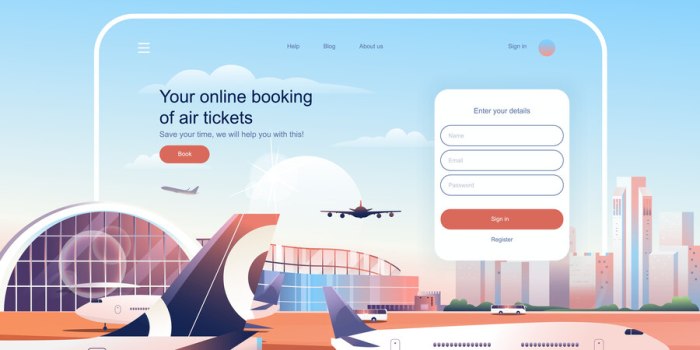
When choosing a corporate travel booking site, it's important to consider the key features offered by different self-booking tools. Factors such as user interface, pricing, customer support, and integration options play a crucial role in determining which platform best suits your company's needs.
Below is a comparison table highlighting the unique features of each self-booking tool.
User Interface
| Booking Site | User Interface |
|---|---|
| Site A | Intuitive and easy-to-use interface with a clean design |
| Site B | Customizable interface with advanced search filters |
| Site C | Mobile-friendly interface for booking on-the-go |
Pricing
| Booking Site | Pricing |
|---|---|
| Site A | Competitive pricing with discounts for bulk bookings |
| Site B | Transparent pricing with no hidden fees |
| Site C | Flexible pricing options for different company sizes |
Customer Support
| Booking Site | Customer Support |
|---|---|
| Site A | 24/7 live chat support and dedicated account manager |
| Site B | Email and phone support during business hours |
| Site C | Knowledge base and online ticketing system |
Integration Options
| Booking Site | Integration Options |
|---|---|
| Site A | Seamless integration with popular expense management tools |
| Site B | API access for custom integrations with internal systems |
| Site C | Integration with CRM platforms for tracking travel expenses |
User Experience and Interface
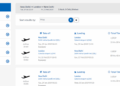
User experience plays a crucial role in the effectiveness of corporate travel booking sites. A seamless and intuitive interface can greatly enhance the overall booking process for users.
User Experience of Popular Corporate Travel Booking Sites
- Popular corporate travel booking sites like Expedia, Booking.com, and Travelocity offer a user-friendly interface with easy navigation.
- These sites often have a clean layout, simple search functions, and filters to help users find the best travel options quickly.
- Features like real-time updates on flight availability, hotel ratings, and reviews contribute to a positive user experience.
User Interface Design Impact on Booking Process
- An intuitive user interface design can streamline the booking process, reducing the time and effort required to make reservations.
- Clear call-to-action buttons, straightforward steps, and minimal distractions can guide users through the booking flow efficiently.
- Responsive design that adapts to different devices ensures a consistent user experience across desktop, mobile, and tablet platforms.
Intuitive Features Enhancing User Experience
- Auto-fill forms that save user information for quick booking in the future.
- Interactive maps showing the location of hotels, airports, and other travel-related services.
- Personalized recommendations based on past bookings and preferences to simplify decision-making.
Integration Capabilities
Integration capabilities play a crucial role in streamlining the travel management process for mid-market companies. By seamlessly connecting various systems and platforms, companies can automate tasks, reduce manual errors, and enhance overall efficiency. This results in cost savings and improved traveler experience.
Common Integrations Offered by Self-Booking Tools
- Expense Management Systems: Integration with expense management tools allows for the automatic syncing of travel expenses, simplifying the reimbursement process for employees.
- Travel Policy Compliance Tools: Self-booking tools often integrate with travel policy compliance software to ensure that bookings align with company guidelines and budgets.
- Travel Risk Management Platforms: Integrations with risk management platforms enable companies to track and manage traveler safety in real-time, providing peace of mind for both employees and employers.
- CRM Systems: Some self-booking tools offer integrations with Customer Relationship Management (CRM) systems to streamline communication and data sharing between travel managers and travelers.
How Seamless Integrations Contribute to a Smoother Travel Management Process
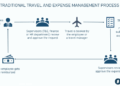
Seamless integrations between self-booking tools and other systems contribute to a smoother travel management process by eliminating manual data entry, reducing errors, and ensuring real-time updates across all platforms. This integration allows for better visibility into travel expenses, improved compliance with company policies, enhanced traveler safety, and overall increased efficiency in managing corporate travel.
Cost Efficiency and Savings

When it comes to corporate travel booking, cost efficiency and savings are crucial factors for mid-market businesses. Utilizing self-booking tools can significantly impact the bottom line by reducing expenses and increasing overall savings.
Cost-Efficient Features Offered by Corporate Travel Booking Sites
- Discounted Rates: Many corporate travel booking sites have negotiated discounted rates with airlines, hotels, and car rental companies, allowing businesses to save money on bookings.
- Expense Tracking: Advanced expense tracking features help businesses monitor and manage travel expenses more effectively, leading to better cost control.
- Policy Compliance: Some platforms offer policy compliance tools that ensure employees adhere to company travel policies, preventing overspending and unnecessary costs.
ROI of Investing in Self-Booking Tools for Mid-Market Businesses
Investing in self-booking tools for mid-market businesses can yield a high return on investment (ROI) through various avenues:
- Time Savings: By streamlining the booking process and reducing the need for manual intervention, self-booking tools save employees valuable time, allowing them to focus on more critical tasks.
- Reduced Transaction Fees: Direct booking through self-booking tools often eliminates the need for third-party booking agents, reducing transaction fees and saving on booking costs.
- Improved Negotiation Power: Access to data and analytics provided by self-booking tools enables businesses to negotiate better rates with travel suppliers, resulting in long-term cost savings.
Final Wrap-Up
In conclusion, the comparison of self-booking tools for mid-market businesses sheds light on the intricate details that can make or break efficient travel management. As companies strive for cost-effective and seamless travel solutions, the role of corporate travel booking sites becomes increasingly significant in today's fast-paced business world.
Popular Questions
What are the common integrations offered by self-booking tools for mid-market companies?
Self-booking tools typically offer integrations with popular travel management systems, expense reporting tools, and accounting software to streamline the booking process for mid-market businesses.
How does user interface design impact the booking process for corporate travel sites?
A user-friendly interface enhances user experience by simplifying the booking steps, reducing errors, and increasing overall efficiency in the travel management process.