Embarking on a comparison journey between Self-Booking Tools (SBTs) and Traditional Global Distribution Systems (GDS), this article aims to shed light on the key differences and benefits of each for business travel booking.
Overview of Self-Booking Tools (SBTs) and Traditional Global Distribution Systems (GDS)
Self-Booking Tools (SBTs) and Global Distribution Systems (GDS) are two distinct methods used in the travel industry for booking flights, accommodations, and other travel-related services.SBTs are online platforms that allow travelers to book their trips directly without the need for a travel agent.
These tools provide users with a user-friendly interface to search, compare prices, and make reservations for flights, hotels, rental cars, and more. SBTs are often utilized by corporate travelers who prefer the convenience and control over their travel arrangements.On the other hand, Global Distribution Systems (GDS) are centralized systems used by travel agents and other industry professionals to access real-time information on flights, hotels, and other travel services.
GDS platforms aggregate data from various providers, allowing travel agents to compare options, make bookings, and manage reservations on behalf of their clients.
Key Differences Between SBTs and GDS
- SBTs are designed for self-service booking by individual travelers, while GDS platforms are primarily used by travel agents and industry professionals.
- SBTs offer direct access to inventory and prices from suppliers, giving users more control over their bookings, while GDS platforms provide a wider range of options from multiple providers in one place.
- SBTs are user-friendly and allow for quick and easy bookings, while GDS platforms require training and expertise to navigate effectively.
Examples of Popular SBTs and GDS Platforms
- Popular Self-Booking Tools (SBTs):
- - Concur Travel
- - Egencia
- - Booking.com for Business
- - Expedia Business
- - TripActions
- Popular Global Distribution Systems (GDS) Platforms:
- - Amadeus
- - Sabre
- - Travelport
- - Galileo
- - Worldspan
Features and Functionality of Self-Booking Tools (SBTs)
Self-Booking Tools (SBTs) offer a range of features that cater specifically to the needs of corporate travelers, making the booking process more efficient and user-friendly. These tools are designed to streamline the entire travel booking experience, providing a convenient platform for employees to manage their business trips effectively.
User Interface and User Experience
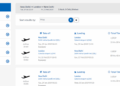
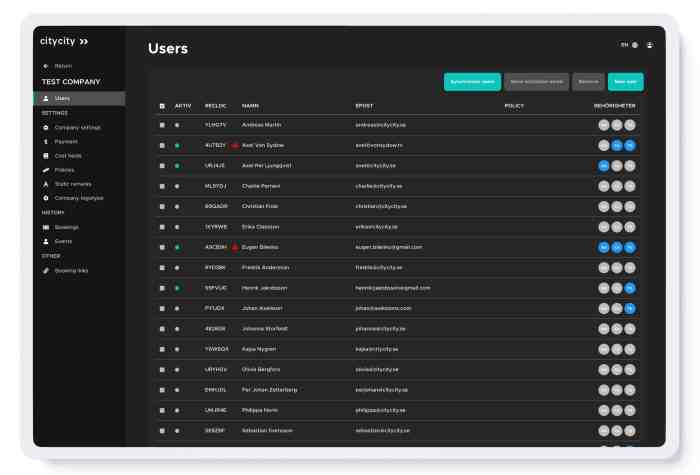
SBTs boast a user-friendly interface that simplifies the booking process for travelers. The intuitive design allows users to easily search for flights, hotels, and rental cars, compare prices, and make reservations with just a few clicks. The user experience is seamless and efficient, ensuring that travelers can quickly access the information they need and complete their bookings without any hassle.
Booking Process Streamlining
One of the key advantages of SBTs is their ability to streamline the booking process for corporate travelers. These tools allow employees to book their travel arrangements independently, eliminating the need for manual intervention from travel agents. By providing direct access to real-time availability and pricing information, SBTs empower travelers to make informed decisions and secure their bookings promptly.
This not only saves time but also reduces the likelihood of errors or miscommunications in the booking process.
Benefits of Using Self-Booking Tools (SBTs) for Business Travel
Self-Booking Tools (SBTs) offer several advantages for companies looking to streamline their business travel booking process.
Cost Efficiency and Time Management
- SBTs allow employees to book their own travel arrangements, eliminating the need for a dedicated travel agent and reducing booking fees.
- Employees can quickly compare prices, select the most cost-effective options, and make bookings without delays, saving both time and money.
- Automated approval workflows can speed up the booking process and ensure compliance with company travel policies.
Flexibility and Customization
- SBTs provide corporate travelers with the flexibility to make changes to their itineraries in real-time, without having to wait for a travel agent to assist them.
- Employees can personalize their travel preferences, such as seat selections, accommodation upgrades, and ground transportation, based on their individual needs and preferences.
- Customized reporting features in SBTs allow companies to track and analyze travel expenses, making it easier to identify cost-saving opportunities and optimize travel budgets.
Limitations of Self-Booking Tools (SBTs) in Business Travel

While Self-Booking Tools (SBTs) offer numerous benefits for business travel, they also come with limitations that may not be suitable for all corporate travel needs.
Complex Itineraries
When it comes to booking complex itineraries involving multiple destinations, layovers, or specific travel requirements, SBTs may not always provide the most efficient solutions. Traditional GDS systems often have more flexibility and can handle intricate travel plans more effectively.
Specialized Travel Needs
For business travelers with specific requirements such as wheelchair accessibility, dietary restrictions, or other special requests, SBTs may not always have the necessary customization options. In such cases, human intervention through traditional GDS systems can ensure that all needs are met seamlessly.
Emergency Situations
In urgent situations like last-minute flight cancellations, rescheduling, or unexpected travel disruptions, SBTs may lack the immediate assistance and personalized support that traditional GDS systems can offer. The ability to quickly reach out to a travel agent for help can be crucial in such emergencies.
Comparison of Cost and Pricing Models between SBTs and Traditional GDS
When it comes to comparing the cost and pricing models between Self-Booking Tools (SBTs) and Traditional Global Distribution Systems (GDS), there are significant differences that companies need to consider to optimize their travel budgets effectively.
Cost Structures of SBTs and Traditional GDS Platforms
- Self-Booking Tools (SBTs) often operate on a subscription or per-transaction basis, where companies pay a fixed fee or a small fee for each booking made through the tool.
- On the other hand, Traditional Global Distribution Systems (GDS) typically charge a combination of booking fees, transaction fees, and segment fees, which can add up quickly for companies with high travel volumes.
Calculation and Management of Costs in SBTs vs. GDS Systems
- In Self-Booking Tools (SBTs), costs are usually more transparent and predictable, as companies know exactly how much they will be charged per booking or per month based on their subscription plan.
- Traditional Global Distribution Systems (GDS) may have more hidden costs, such as segment fees for each leg of a journey, which can make it challenging for companies to accurately budget for their travel expenses.
Optimizing Travel Budgets with SBTs and GDS
- Companies looking to optimize their travel budgets may find that Self-Booking Tools (SBTs) offer a more cost-effective solution, especially for smaller businesses or organizations with lower travel volumes.
- On the other hand, larger companies with complex travel needs and high transaction volumes may benefit from the comprehensive services offered by Traditional Global Distribution Systems (GDS), despite the potentially higher costs.
User Accessibility and Support in Self-Booking Tools (SBTs) vs. Traditional GDS
User accessibility and support are crucial aspects to consider when comparing self-booking tools (SBTs) with traditional Global Distribution Systems (GDS) in the realm of business travel. Let's delve into the differences between the two in terms of user experience and assistance.
User Accessibility Features of SBTs vs. Traditional GDS Platforms
- SBTs often offer intuitive interfaces and user-friendly designs, making it easier for travelers to search, book, and manage their trips without extensive training.
- Traditional GDS platforms may have a steeper learning curve due to complex interfaces and workflows, requiring more training and expertise to navigate effectively.
- SBTs typically provide personalized recommendations based on user preferences and past booking history, enhancing user experience and streamlining the booking process.
- Traditional GDS platforms may lack the customization and personalization features found in SBTs, leading to a more generic booking experience for users.
Customer Support Options for SBTs and GDS Systems
- SBTs often offer 24/7 customer support through multiple channels such as live chat, email, and phone, ensuring travelers have assistance whenever needed during their booking process.
- Traditional GDS platforms may have limited customer support options and operating hours, potentially causing delays in resolving booking issues or queries for users.
- SBTs may incorporate chatbots or AI-powered assistants to provide instant responses and support to users, reducing the waiting time for assistance.
- Traditional GDS systems rely more on human agents for customer support, which can lead to longer response times and potential delays in resolving issues.
User Training and Assistance Differences Between SBTs and GDS
- SBTs often offer comprehensive training materials, tutorials, and onboarding sessions to help users familiarize themselves with the platform and maximize its features independently.
- Traditional GDS platforms may require formal training programs or certifications for users to gain proficiency in using the system effectively, adding to the complexity and time investment required.
- SBTs prioritize self-service and user empowerment through easy-to-access help guides and resources, enabling users to troubleshoot common issues and make bookings independently.
- Traditional GDS systems may involve more hands-on training and ongoing support from dedicated account managers or trainers, which can be beneficial but also time-consuming for users.
End of Discussion
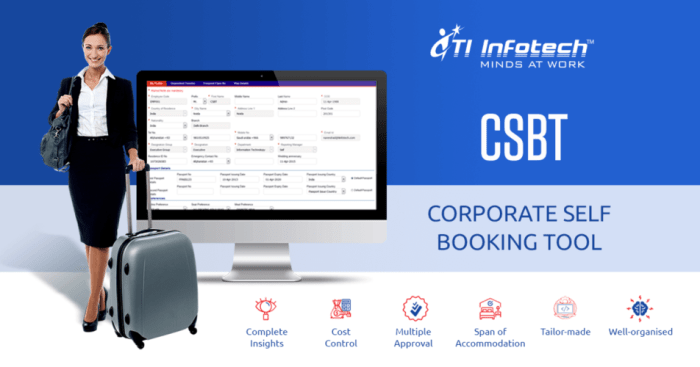
In conclusion, understanding the nuances of Self-Booking Tools (SBTs) and Traditional GDS can empower companies to make informed decisions when it comes to streamlining their corporate travel booking processes.
Popular Questions
What are the main advantages of using Self-Booking Tools for business travel??
Using SBTs can enhance cost efficiency, time management, and offer flexibility for corporate travelers.
When might Traditional GDS systems be a better option compared to SBTs??
Traditional GDS systems may offer better solutions in scenarios where complex travel needs require expert assistance and personalized services.
Continue this structure for all FAQs