Beginning with Choosing a Corporate Travel Booking Platform: Key Metrics for Cost Savings in 2026, the narrative unfolds in a compelling and distinctive manner, drawing readers into a story that promises to be both engaging and uniquely memorable.
As we delve deeper into the realm of corporate travel booking platforms, the emphasis on key metrics for cost savings becomes paramount. Understanding these metrics can pave the way for smarter decisions and substantial financial benefits for businesses in the year 2026.
Key Metrics to Consider for Cost Savings
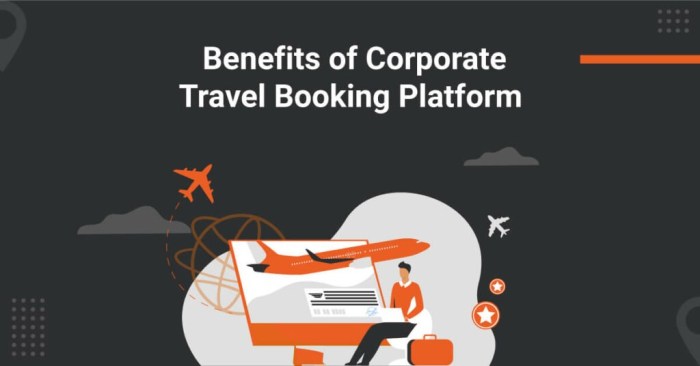
When choosing a corporate travel booking platform, it is crucial for organizations to focus on key metrics that can lead to significant cost savings. By analyzing and understanding these metrics, companies can make informed decisions that optimize their travel spend and reduce expenses effectively.
1. Compliance Rate
Compliance rate refers to the percentage of employees who adhere to the company's travel policy when booking trips. A higher compliance rate indicates better control over travel expenses, as it ensures that employees are selecting cost-effective options within the policy guidelines.
2. Booking Lead Time
Booking lead time measures the amount of time between booking a trip and the actual travel date. By analyzing booking lead times, organizations can identify opportunities to secure better deals through advanced bookings, reducing last-minute expenses and maximizing cost savings.
3. Average Ticket Price
The average ticket price provides insight into the overall cost of flights booked through the platform. By monitoring this metric, companies can negotiate better rates with airlines or identify trends in pricing to make strategic decisions that lead to savings on airfare expenses.
4. Unused Tickets Percentage
The percentage of unused tickets reflects the amount of money wasted on unused or canceled bookings. By tracking this metric, organizations can implement policies to minimize unused tickets, such as rebooking options or flexible tickets, ensuring that travel budgets are utilized efficiently.
5. Supplier Performance
Supplier performance evaluates the effectiveness and cost-effectiveness of travel suppliers partnered with the booking platform. By assessing supplier performance metrics, companies can identify opportunities to negotiate better deals, streamline supplier relationships, and optimize travel spend by selecting suppliers that offer the best value for money.
Automation and Integration Features
Automation and integration features play a crucial role in enhancing the efficiency of corporate travel booking platforms. By automating repetitive tasks and seamlessly integrating with other systems, these platforms can streamline the booking process and minimize manual errors.
Automation Features
- Automated booking confirmation emails and notifications can save time for both travelers and travel managers, ensuring that all necessary information is communicated promptly.
- Automated approval workflows help in enforcing travel policies and ensuring compliance, reducing the risk of unauthorized bookings.
- Automated expense reporting can simplify the reimbursement process for employees, eliminating the need for manual data entry and reducing the chances of errors.
Integration Capabilities
- Some corporate travel booking platforms offer seamless integration with popular travel management tools such as Concur or Egencia, allowing for a more streamlined and consolidated travel management experience.
- Integration with expense management systems like Expensify or SAP Concur can enable automatic syncing of travel expenses, providing a comprehensive view of all travel-related costs.
- Integration with calendar applications such as Outlook or Google Calendar can help travelers stay organized by automatically adding travel itinerary details to their schedules.
Importance of Seamless Integration
- Seamless integration with expense management systems ensures that all travel expenses are accurately captured and accounted for, facilitating better cost control and budget management.
- Integration with other corporate tools such as HR systems or project management platforms can provide a holistic view of employee travel activities and their impact on business operations.
- Efficient integration capabilities can lead to improved data accuracy, reduced manual effort, and enhanced visibility into travel spend, ultimately contributing to significant cost savings for the organization.
Customization Options for Corporate Policies

Customizing corporate travel policies within a booking platform is crucial for aligning with a company's specific requirements and ultimately achieving cost efficiencies.
By tailoring policy settings, companies can ensure compliance with budget restrictions, preferred vendors, travel class options, and approval workflows. These customized features help streamline the booking process, reduce out-of-policy bookings, and maximize cost savings.
Scenario: Tailored Policy Settings for Diverse Requirements
Imagine a multinational corporation with offices in various countries, each with its own set of travel policies and guidelines. A robust corporate travel booking platform would allow administrators to create customized policy settings for each location, taking into account local regulations, preferred airlines/hotels, and budget thresholds.
For example, the platform could enable different approval workflows based on the employee's seniority or department, restrict booking options to preferred vendors, or automatically apply negotiated discounts. This level of customization ensures that employees across different regions can easily book compliant trips while adhering to the company's cost-saving objectives.
Data Analytics and Reporting Capabilities
In today's corporate travel landscape, data analytics and reporting capabilities play a crucial role in managing travel expenses and identifying cost-saving opportunities. By leveraging data-driven insights, companies can make informed decisions to optimize their travel spending and improve overall efficiency.
Types of Reports and Analytics
- Expense Reports: Detailed breakdown of travel expenses incurred by employees, including airfare, accommodation, meals, and other miscellaneous costs.
- Policy Compliance Reports: Analysis of how well employees are adhering to corporate travel policies, highlighting any violations or deviations.
- Trend Analysis: Identification of patterns and trends in travel spending over time, helping companies forecast future expenses and plan accordingly.
- Supplier Performance Reports: Evaluation of the performance of travel suppliers based on factors like cost, service quality, and customer satisfaction.
Comparison of Reporting Capabilities
| Corporate Travel Booking Platform | Reporting Capabilities |
|---|---|
| Platform A | Offers customizable reports with real-time data tracking and visualization tools. |
| Platform B | Provides comprehensive expense reports and policy compliance analytics for better decision-making. |
| Platform C | Focuses on trend analysis and predictive reporting to help companies proactively manage travel expenses. |
Wrap-Up
In conclusion, the journey of selecting a corporate travel booking platform is intricately tied to the metrics that drive cost savings. By leveraging these key factors, companies can navigate the complex landscape of travel expenses with finesse and efficiency, ultimately leading to a more streamlined and economical corporate travel experience.
FAQ Corner
What are the top 5 key metrics for cost savings when choosing a corporate travel booking platform?
The top 5 key metrics include average booking price, negotiated discounts, unused tickets, booking lead time, and traveler compliance rates.
How do automation features benefit the booking process on corporate travel platforms?
Automation features streamline booking, reduce errors, and save time by automating tasks like itinerary creation and invoice processing.
Why is seamless integration with expense management systems crucial for corporate travel booking platforms?
Seamless integration ensures data accuracy, eliminates manual data entry, and provides a comprehensive view of travel expenses for better financial management.
How can customized policy settings on a corporate travel booking platform lead to cost efficiencies?
Customized policy settings align with company guidelines, prevent unnecessary expenses, and promote adherence to budget constraints, resulting in significant cost savings.
What role does data analytics play in identifying cost-saving opportunities on corporate travel platforms?
Data analytics track expenses, identify trends, and highlight areas for cost optimization, enabling companies to make data-driven decisions and maximize savings.