Kicking off with Flight Corporate Booking: Integrating Travel Booking for Companies with HR/Payroll Systems, this opening paragraph is designed to captivate and engage the readers, providing a glimpse into the seamless integration of travel booking with HR and payroll systems for businesses.
Exploring the intricacies and benefits of merging these essential components, this topic delves into the optimization of company processes and data security measures.
Integration Process
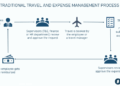
Integrating travel booking systems with HR/payroll systems involves a series of steps to ensure seamless communication and data flow between the two platforms. Key considerations must be taken into account to set up the integration process effectively. Companies have implemented various successful strategies to streamline this integration.
Steps for Integration
- Assess Compatibility: Ensure that the travel booking system and HR/payroll system are compatible and can communicate effectively.
- Define Data Requirements: Identify the specific data that needs to be shared between the systems, such as employee information, travel bookings, and expenses.
- Set Up APIs: Utilize application programming interfaces (APIs) to establish connections between the systems for data exchange.
- Testing & Validation: Conduct thorough testing to validate the integration and ensure data accuracy and consistency.
- Training & Support: Provide training to employees on how to use the integrated systems and offer ongoing support for any issues that may arise.
Key Considerations
- Security: Implement robust security measures to protect sensitive employee data shared between the systems.
- Scalability: Ensure that the integration can handle the growth of the company and accommodate future needs.
- Customization: Tailor the integration to meet the specific requirements of the company and its employees.
Successful Integration Strategies
- Automated Expense Reporting: Integration allows for automatic syncing of travel expenses with payroll systems, simplifying the reimbursement process.
- Real-time Updates: Employees can receive real-time updates on travel bookings and changes directly through the HR system, improving communication and efficiency.
- Centralized Data Management: Integration centralizes employee travel data, making it easier to track and analyze for cost-saving opportunities.
Benefits of Integration
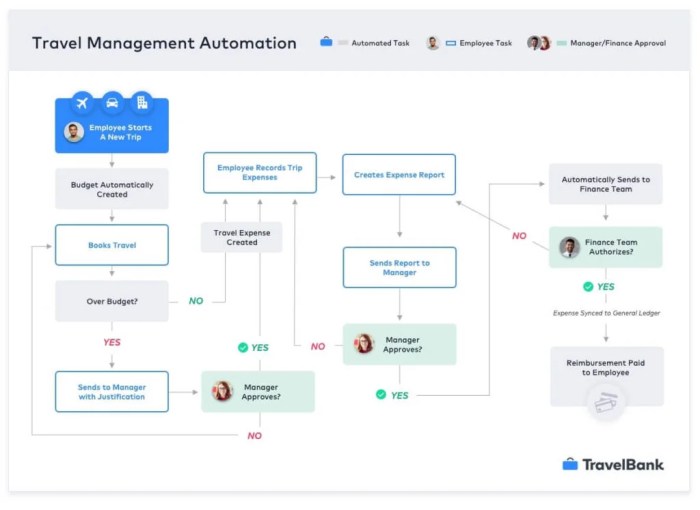
Integrating flight corporate booking with HR/payroll systems offers numerous advantages for companies looking to streamline their processes and improve efficiency. By connecting these systems, companies can experience a range of benefits that impact both employees and the organization as a whole.
Increased Efficiency and Accuracy
- Integration eliminates the need for manual data entry, reducing the risk of errors and ensuring that employee information is always up-to-date.
- Automated processes save time for both employees and HR staff, allowing them to focus on more strategic tasks.
- Real-time synchronization between booking and HR systems ensures that travel policies and employee data are consistently aligned.
Cost Savings and Compliance
- Integrated systems help companies track travel expenses more effectively, allowing for better budget management and cost control.
- Automated reporting ensures that companies are compliant with travel policies and regulations, reducing the risk of non-compliance penalties.
Enhanced Employee Experience
- Employees benefit from a seamless booking process that is integrated with their HR information, making travel arrangements more convenient and personalized.
- Access to real-time travel updates and itineraries through the HR/payroll system improves communication and transparency for employees.
Real-Life Scenarios
In a real-life scenario, a multinational company integrated its flight booking system with HR/payroll to streamline travel approval processes. This integration led to a significant reduction in approval times, increased compliance with travel policies, and improved visibility into travel expenses for the finance department.
Overall, the company saw a more efficient and cost-effective travel management process thanks to the integration of these systems.
Security Measures
In today's digital age, ensuring the security of sensitive data is paramount, especially when integrating travel booking systems with HR/payroll systems. Companies must implement robust security protocols to safeguard employee information and travel booking data from potential cyber threats.
Encryption Methods
When it comes to securing travel booking data, companies can utilize encryption methods to protect sensitive information. Encryption involves converting data into a code to prevent unauthorized access. Two common encryption methods used to secure travel booking data include:
- Transport Layer Security (TLS): TLS is a cryptographic protocol that provides secure communication over a computer network. It encrypts data transmitted between a company's HR/payroll system and the travel booking platform, ensuring that sensitive information remains confidential.
- Advanced Encryption Standard (AES): AES is a symmetric encryption algorithm widely used to protect data. Companies can employ AES to encrypt travel booking data stored in their integrated system, adding an extra layer of security.
Reporting and Analytics
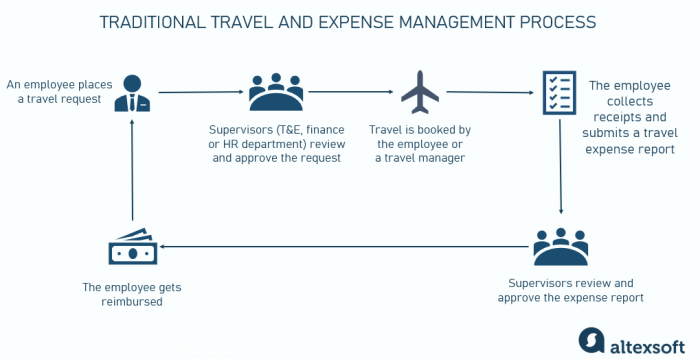
Integrated systems offer valuable insights through reporting and analytics, allowing companies to make informed decisions regarding their travel booking processes.
Types of Reports for Monitoring Travel Expenses and Patterns
Companies can access various types of reports to monitor travel expenses and patterns effectively:
- Expense Reports: Detailed breakdown of travel expenses, including airfare, accommodation, and other related costs.
- Travel Patterns Analysis: Overview of travel patterns, such as preferred airlines, destinations, and booking trends.
- Compliance Reports: Ensure adherence to company travel policies and regulations.
- Budget Reports: Track travel expenses against set budgets and identify areas for cost savings.
Utilizing Analytics to Optimize Travel Booking Processes
By leveraging reporting and analytics, companies can optimize their travel booking processes in the following ways:
- Identifying Cost Saving Opportunities: Analyzing travel expenses to identify cost-saving opportunities and negotiate better deals with vendors.
- Improving Efficiency: Streamlining the booking process based on travel patterns and preferences to enhance efficiency.
- Enhancing Policy Compliance: Monitoring compliance through analytics to ensure adherence to company policies and regulations.
- Forecasting Future Travel Needs: Using historical data to forecast future travel needs and plan accordingly.
Final Review
In conclusion, Flight Corporate Booking: Integrating Travel Booking for Companies with HR/Payroll Systems offers a comprehensive look at the advantages of streamlining travel management within organizations. From enhanced efficiency to data protection, this integration paves the way for smoother operations and cost-effective solutions in the corporate world.
FAQ Compilation
How can companies ensure a successful integration process?
Companies can ensure successful integration by clearly defining their objectives, conducting thorough research on compatible systems, and engaging in effective communication between departments.
What are the key benefits of integrating flight corporate booking with HR/payroll systems?
Some key benefits include streamlined processes, cost savings, enhanced data accuracy, and improved employee satisfaction through efficient travel management.
What security measures should be implemented to protect sensitive data during integration?
Companies should implement encryption protocols, access controls, regular security audits, and employee training programs to safeguard sensitive information during integration.
How can companies utilize reporting and analytics from integrated systems to optimize travel booking processes?
By analyzing data insights, companies can identify trends, track expenses, optimize travel policies, and make informed decisions that lead to more efficient and cost-effective travel booking processes.